


40-42 Hatton
Garden London
EC1N 8EB
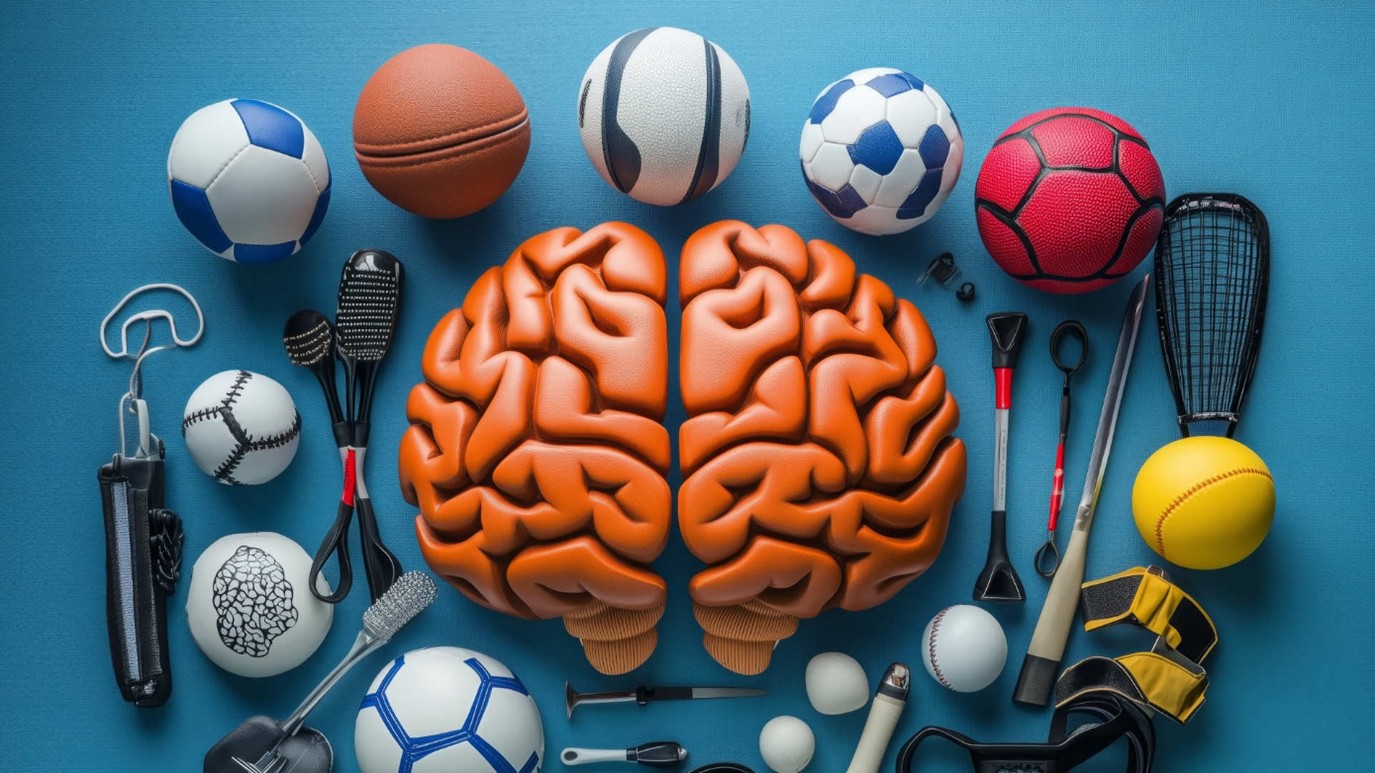
Sport is far more than physical exercise; it is a powerful educational tool for brain development. From early childhood through adolescence, regular physical activity stimulates the brain in ways that directly enhance learning capacity. When students engage in sports, their brains increase blood flow, delivering oxygen and essential nutrients that support neural growth. Research from institutions such as Harvard Medical School shows that exercise promotes neurogenesis, the creation of new brain cells, particularly in the hippocampus, the region responsible for memory and learning.
In this sense, sport acts as a “school” for the brain. Just as academic subjects train reasoning and literacy, physical activity trains neural efficiency, coordination, and cognitive flexibility. Children who move regularly are not just strengthening muscles; they are building stronger neural networks.
One of the most well-documented benefits of sport is its impact on memory and academic achievement. Aerobic activities such as running, swimming, or team sports stimulate the release of brain-derived neurotrophic factor (BDNF), a protein that supports learning and long-term memory formation. Studies supported by the Centres for Disease Control and Prevention indicate that students who participate in regular physical activity tend to achieve higher grades and perform better on standardised tests.
Physical activity also improves attention span and information processing speed. After exercise, students often demonstrate sharper focus and improved problem-solving abilities. This connection explains why schools that integrate structured sports programs frequently observe improvements not only in physical health but also in classroom engagement.
Executive functions, such as planning, decision-making, impulse control, and working memory, are essential skills for academic and life success. Sport challenges these skills constantly. Whether a child is strategizing during a soccer match or adjusting tactics in basketball, the brain is actively practicing decision-making under pressure.
Neuroscientific research, including work highlighted by the National Institutes of Health, suggests that regular physical activity strengthens the prefrontal cortex, the area responsible for executive functioning. Team sports, in particular, demand quick thinking, adaptability, and emotional regulation. These experiences serve as real-life training sessions for cognitive control and resilience.
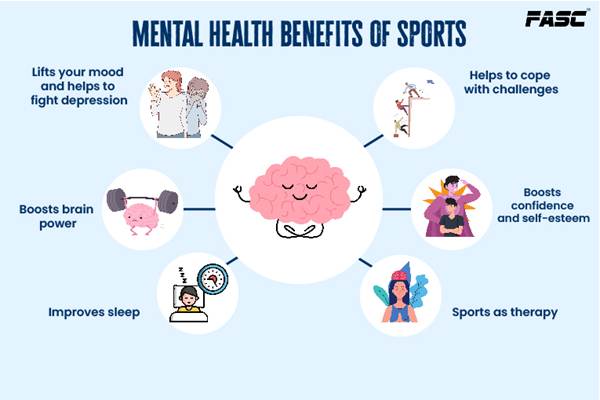
Sport also plays a crucial role in emotional brain development. Physical activity reduces stress hormones such as cortisol while increasing endorphins and serotonin, chemicals that enhance mood and emotional stability. According to the American Psychological Association, regular exercise is associated with lower levels of anxiety and depression in children and adolescents.
By learning to cope with competition, setbacks, and teamwork challenges, students develop emotional intelligence. They practice managing frustration, celebrating success respectfully, and supporting peers. These emotional skills are deeply connected to healthy brain development and social competence.
Sports environments provide rich opportunities for social brain development. Cooperation, communication, and empathy are continuously practiced during team play. Neuroscientists emphasise that social interaction strengthens neural circuits linked to understanding others’ perspectives and building relationships.
Participating in group sports teaches students to interpret body language, respond to verbal and non-verbal cues, and coordinate actions toward shared goals. These abilities reinforce cognitive flexibility and strengthen the brain’s social processing systems. In this way, sport becomes a laboratory for developing interpersonal intelligence.
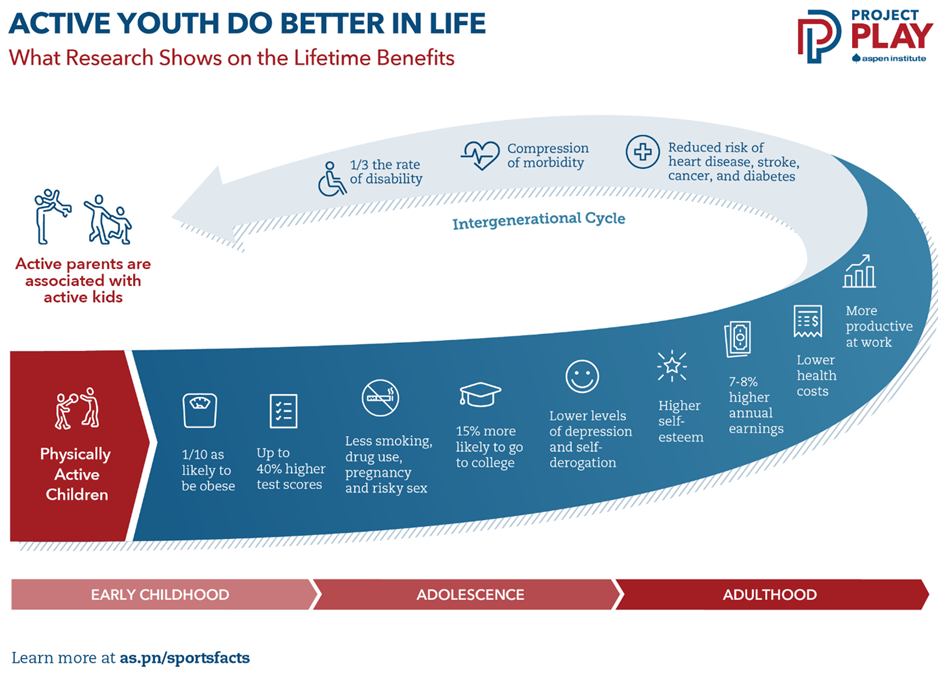
The cognitive benefits of sport extend beyond childhood. Research from organisations such as the World Health Organisation highlights that lifelong physical activity reduces the risk of cognitive decline later in life. Early habits of exercise contribute to sustained brain plasticity, the brain’s ability to adapt and reorganise itself.
By encouraging regular participation in sports during school years, educational systems invest not only in students’ physical health but also in their intellectual and emotional futures. Sport lays the neurological groundwork for lifelong learning, creativity, and resilience.
Sport should not be viewed as a secondary or optional part of education. It is a dynamic and scientifically supported method of brain training. Through improved memory, executive function, emotional regulation, and social skills, physical activity shapes the architecture of the developing brain.
In this sense, sport truly acts as a school for brain development, teaching lessons that textbooks alone cannot provide. By integrating structured physical activity into daily education, schools empower students to build stronger brains, healthier minds, and brighter futures.

Ready to take your sports start-up to the next level? Let's collaborate and redefine the game together.
Sport is far more than physical exercise; it is a powerful educational tool for brain development. From early childhood through adolescence, regular physical activity stimulates the brain in ways that directly enhance learning capacity. When students engage in sports, their brains increase blood flow, delivering oxygen and essential nutrients that support neural growth. Research from institutions such as Harvard Medical School shows that exercise promotes neurogenesis, the creation of new brain cells, particularly in the hippocampus, the region responsible for memory and learning.
In this sense, sport acts as a “school” for the brain. Just as academic subjects train reasoning and literacy, physical activity trains neural efficiency, coordination, and cognitive flexibility. Children who move regularly are not just strengthening muscles; they are building stronger neural networks.
One of the most well-documented benefits of sport is its impact on memory and academic achievement. Aerobic activities such as running, swimming, or team sports stimulate the release of brain-derived neurotrophic factor (BDNF), a protein that supports learning and long-term memory formation. Studies supported by the Centres for Disease Control and Prevention indicate that students who participate in regular physical activity tend to achieve higher grades and perform better on standardised tests.
Physical activity also improves attention span and information processing speed. After exercise, students often demonstrate sharper focus and improved problem-solving abilities. This connection explains why schools that integrate structured sports programs frequently observe improvements not only in physical health but also in classroom engagement.
Executive functions, such as planning, decision-making, impulse control, and working memory, are essential skills for academic and life success. Sport challenges these skills constantly. Whether a child is strategizing during a soccer match or adjusting tactics in basketball, the brain is actively practicing decision-making under pressure.
Neuroscientific research, including work highlighted by the National Institutes of Health, suggests that regular physical activity strengthens the prefrontal cortex, the area responsible for executive functioning. Team sports, in particular, demand quick thinking, adaptability, and emotional regulation. These experiences serve as real-life training sessions for cognitive control and resilience.
Sport also plays a crucial role in emotional brain development. Physical activity reduces stress hormones such as cortisol while increasing endorphins and serotonin, chemicals that enhance mood and emotional stability. According to the American Psychological Association, regular exercise is associated with lower levels of anxiety and depression in children and adolescents.
By learning to cope with competition, setbacks, and teamwork challenges, students develop emotional intelligence. They practice managing frustration, celebrating success respectfully, and supporting peers. These emotional skills are deeply connected to healthy brain development and social competence.
Sports environments provide rich opportunities for social brain development. Cooperation, communication, and empathy are continuously practiced during team play. Neuroscientists emphasise that social interaction strengthens neural circuits linked to understanding others’ perspectives and building relationships.
Participating in group sports teaches students to interpret body language, respond to verbal and non-verbal cues, and coordinate actions toward shared goals. These abilities reinforce cognitive flexibility and strengthen the brain’s social processing systems. In this way, sport becomes a laboratory for developing interpersonal intelligence.
The cognitive benefits of sport extend beyond childhood. Research from organisations such as the World Health Organisation highlights that lifelong physical activity reduces the risk of cognitive decline later in life. Early habits of exercise contribute to sustained brain plasticity, the brain’s ability to adapt and reorganise itself.
By encouraging regular participation in sports during school years, educational systems invest not only in students’ physical health but also in their intellectual and emotional futures. Sport lays the neurological groundwork for lifelong learning, creativity, and resilience.
Sport should not be viewed as a secondary or optional part of education. It is a dynamic and scientifically supported method of brain training. Through improved memory, executive function, emotional regulation, and social skills, physical activity shapes the architecture of the developing brain.
In this sense, sport truly acts as a school for brain development, teaching lessons that textbooks alone cannot provide. By integrating structured physical activity into daily education, schools empower students to build stronger brains, healthier minds, and brighter futures.
Accelerate Ventures
Accelerate Ventures 40-42 Hatton Garden London EC1N 8EB
