


40-42 Hatton
Garden London
EC1N 8EB
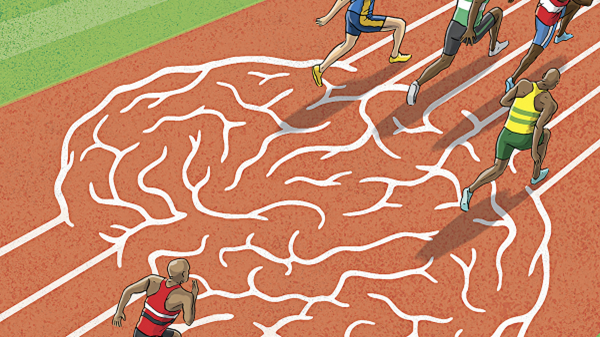
The modern sports arena isn’t only defined by physical performance anymore, it’s shaped just as much by the mental resilience of those who compete. As athletes face unprecedented visibility and scrutiny, conversations around mental health are moving from the locker room to centre stage. Burnout, anxiety, depression, and identity crises are no longer whispered topics; they’re part of the evolving definition of high performance.
In a world where every match is live-streamed and every post dissected, athletes are navigating not just their sport, but a relentless public gaze. They are learning to balance excellence with humanity, redefining what strength looks like in the process.
Elite sport has always carried pressure, but today, the spotlight burns brighter. Social media has turned athletes into global brands, amplifying expectations and blurring the lines between personal and professional lives. A single poor performance can echo for weeks online.
The pressure isn’t only external. Many athletes build their entire sense of self around their sport, creating a fragile bond between identity and achievement. When injury strikes, performance dips, or retirement looms, that identity can fracture, leaving deep emotional gaps.
High-profile athletes such as Simone Biles, Naomi Osaka and Michael Phelps have opened up about their struggles, helping to normalise conversations around anxiety, depression and burnout. Their vulnerability has become a new kind of leadership, signaling a cultural shift across leagues and disciplines.
For decades, mental health in sport was treated as a weakness, something to be concealed, not addressed. That narrative is being dismantled. Teams and federations are introducing dedicated mental health staff, therapy programs, and wellness frameworks.
Sports psychology is no longer limited to performance optimisation; it now encompasses holistic care, emotional regulation, identity support, and career transition planning. Younger generations of athletes, especially Gen Z, are more open to therapy, mindfulness, and mental health tools, shifting the culture from silent endurance to proactive support.
This is more than a wellness trend. It’s a structural evolution that challenges the myth of the “invincible athlete.”
Innovation is playing a subtle but powerful role in this evolution. Teletherapy platforms give athletes discreet access to professional support from anywhere in the world. Mindfulness and breathwork apps are now as common as training wearables. Biofeedback tools help track stress and recovery in real time, turning subjective feelings into actionable data.
Some clubs are integrating mental wellness dashboards alongside physical performance metrics, allowing coaches and medical staff to intervene early when signs of distress appear. Peer-support programs and mentor networks also provide safe spaces for athletes to speak openly without fear of judgment.
But the most important tool isn’t digital, it’s cultural: creating environments where speaking up is valued as much as showing up.
An often-overlooked aspect of athlete mental health is what happens off the field. For many, sport isn’t just a job; it’s their entire identity. Retirement, injury, or performance decline can trigger crises of purpose.
Forward-thinking organisations are investing in career transition programs, education initiatives, and personal development pathways that help athletes build multidimensional identities. Whether it’s media training, entrepreneurship, university programs, or creative pursuits, the goal is to ensure they are more than their stats.
When athletes know they can exist beyond the game, they play, and live, with greater freedom.
Mental health in sport is no longer a side conversation. It’s central to sustainable performance, team cohesion, and long-term athlete welfare. Federations, sponsors and media outlets that embrace this shift have the chance to redefine excellence, not as relentless invincibility, but as balanced, human achievement.
Prioritising mental health isn’t just compassionate; it’s strategic. Healthier athletes mean longer careers, stronger performances, and deeper connections with fans who crave authenticity over perfection.
The next era of sport will be defined not only by who runs fastest or jumps highest, but by who can thrive as whole people under pressure.

Ready to take your sports start-up to the next level? Let's collaborate and redefine the game together.
Accelerate Ventures
Accelerate Ventures 40-42 Hatton Garden London EC1N 8EB
