


40-42 Hatton
Garden London
EC1N 8EB
At first glance it seems as if we are living through a golden age of fitness. Gyms are busier than ever, running clubs fill city parks, and social media feeds are full of yoga challenges and cycling milestones. Yet the global data tells a more complicated story. While fitness culture is more visible than in any previous era, the proportion of the population that actually meets recommended activity levels is shrinking.
According to the World Health Organization, almost 1.8 billion adults, around 31% of the global population, were insufficiently active in 2022, up from 26% in 2010. Unless trends change, this figure could reach 35% by 2030. The consequences are serious: physical inactivity is already linked to more than three million deaths a year, and is a major contributor to obesity, diabetes, heart disease, and certain cancers.
The picture is even more concerning among adolescents. Roughly four in five teenagers worldwide do not achieve recommended daily activity levels. This has barely improved in two decades and poses a risk that inactive habits will carry into adulthood.
What is striking is that these trends are not confined to one part of the world. Inactivity is highest in South Asia and the high-income Asia-Pacific region, where nearly half of adults fall short of exercise guidelines. Rates are lower in Oceania, where only about 14% of adults are inactive, but in parts of the Middle East the share is above 70%. Even in Western Europe and North America, often seen as fitness-conscious, around one in four adults is still insufficiently active.
Age remains a powerful predictor of activity. Adolescents are the least active of all, followed by older adults. Gender differences are persistent. Globally, about 34% of women are insufficiently active compared with 29% of men. In some regions the gap is much wider. Cultural and safety barriers, lack of accessible facilities, and social norms continue to limit women’s opportunities for exercise. Socio-economic inequality also shapes activity levels. In England, adults in the least deprived areas are almost 14 percentage points more likely to be active than those in the most deprived.
Perhaps the most important feature of today’s landscape is the widening gap between the inactive majority and a smaller but highly engaged minority. McKinsey’s latest sporting goods report shows that younger adults in particular are building their identities around physical activity. More than half of Gen Z and Millennial consumers describe an active lifestyle as “essential” to who they are, and one in four exercises almost every day. This group spends heavily on gyms, equipment, apparel, nutrition, and digital tools, and treats fitness as non-negotiable.
In contrast, the inactive segment is growing steadily, often constrained by cost, culture, or environment. The result is a polarised world: more people than ever are living sedentary lives, while at the same time a visible, affluent minority is more active than any generation before.
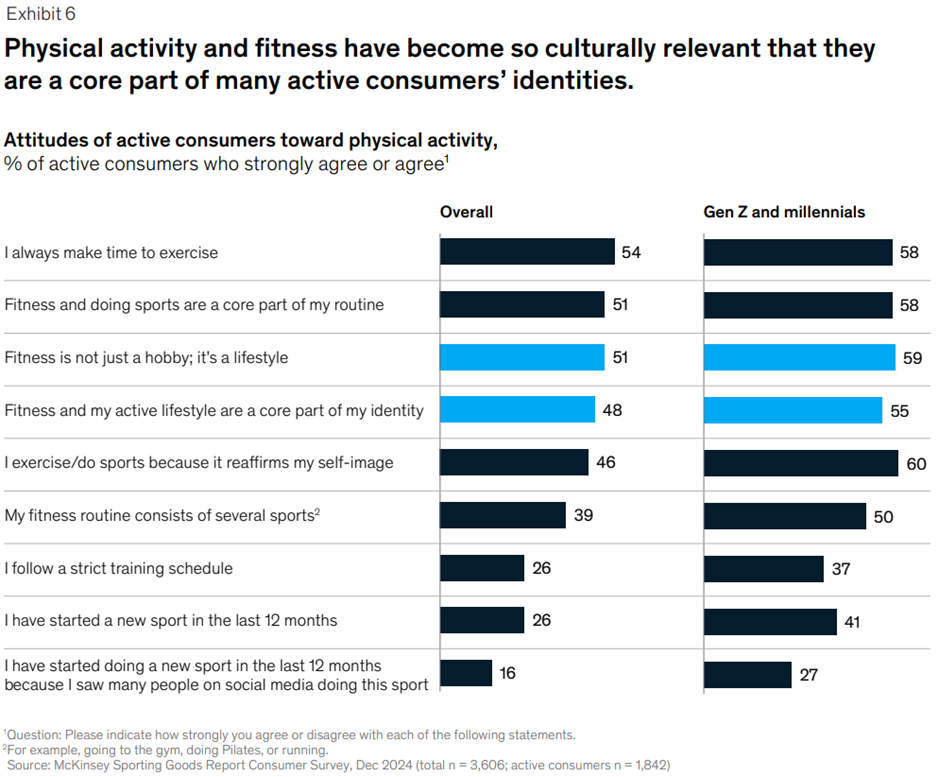
Figure 1: Gen Z and millennials are moving more than the rest of the population
A generation ago many people achieved physical activity incidentally, with more reliance on walking, working in manual jobs, or simply living without constant digital entertainment. Today, much of that incidental activity has been engineered out of daily life. The modern fitness industry has expanded dramatically, but it has not been able to compensate for the decline in everyday movement.
For investors and startups, the picture today is clear. There are two distinct markets. The first is the super-active cohort, predominantly young and urban, who treat fitness as a lifestyle and identity marker. They are demanding, brand-loyal, and willing to pay for innovation. The second is the inactive majority, much larger in size but harder to reach. Companies that can lower the barriers, whether through affordable community programmes, gamified digital tools, or culturally sensitive products, have an opportunity to unlock enormous untapped demand.
So, are people becoming more active? The answer is no, not in aggregate. Global inactivity has risen over the past decade and remains highest among adolescents, women, older adults, and disadvantaged groups. At the same time, a devoted minority is exercising more than ever and spending heavily on fitness. For business leaders, the challenge is to bridge this divide: supporting the active while finding ways to engage the inactive. The data makes clear that the visibility of fitness culture should not be mistaken for universal participation.

Ready to take your sports start-up to the next level? Let's collaborate and redefine the game together.
At first glance it seems as if we are living through a golden age of fitness. Gyms are busier than ever, running clubs fill city parks, and social media feeds are full of yoga challenges and cycling milestones. Yet the global data tells a more complicated story. While fitness culture is more visible than in any previous era, the proportion of the population that actually meets recommended activity levels is shrinking.
According to the World Health Organization, almost 1.8 billion adults, around 31% of the global population, were insufficiently active in 2022, up from 26% in 2010. Unless trends change, this figure could reach 35% by 2030. The consequences are serious: physical inactivity is already linked to more than three million deaths a year, and is a major contributor to obesity, diabetes, heart disease, and certain cancers.
The picture is even more concerning among adolescents. Roughly four in five teenagers worldwide do not achieve recommended daily activity levels. This has barely improved in two decades and poses a risk that inactive habits will carry into adulthood.
What is striking is that these trends are not confined to one part of the world. Inactivity is highest in South Asia and the high-income Asia-Pacific region, where nearly half of adults fall short of exercise guidelines. Rates are lower in Oceania, where only about 14% of adults are inactive, but in parts of the Middle East the share is above 70%. Even in Western Europe and North America, often seen as fitness-conscious, around one in four adults is still insufficiently active.
Age remains a powerful predictor of activity. Adolescents are the least active of all, followed by older adults. Gender differences are persistent. Globally, about 34% of women are insufficiently active compared with 29% of men. In some regions the gap is much wider. Cultural and safety barriers, lack of accessible facilities, and social norms continue to limit women’s opportunities for exercise. Socio-economic inequality also shapes activity levels. In England, adults in the least deprived areas are almost 14 percentage points more likely to be active than those in the most deprived.
Perhaps the most important feature of today’s landscape is the widening gap between the inactive majority and a smaller but highly engaged minority. McKinsey’s latest sporting goods report shows that younger adults in particular are building their identities around physical activity. More than half of Gen Z and Millennial consumers describe an active lifestyle as “essential” to who they are, and one in four exercises almost every day. This group spends heavily on gyms, equipment, apparel, nutrition, and digital tools, and treats fitness as non-negotiable.
In contrast, the inactive segment is growing steadily, often constrained by cost, culture, or environment. The result is a polarised world: more people than ever are living sedentary lives, while at the same time a visible, affluent minority is more active than any generation before.
Figure 1: Gen Z and millennials are moving more than the rest of the population
A generation ago many people achieved physical activity incidentally, with more reliance on walking, working in manual jobs, or simply living without constant digital entertainment. Today, much of that incidental activity has been engineered out of daily life. The modern fitness industry has expanded dramatically, but it has not been able to compensate for the decline in everyday movement.
For investors and startups, the picture today is clear. There are two distinct markets. The first is the super-active cohort, predominantly young and urban, who treat fitness as a lifestyle and identity marker. They are demanding, brand-loyal, and willing to pay for innovation. The second is the inactive majority, much larger in size but harder to reach. Companies that can lower the barriers, whether through affordable community programmes, gamified digital tools, or culturally sensitive products, have an opportunity to unlock enormous untapped demand.
So, are people becoming more active? The answer is no, not in aggregate. Global inactivity has risen over the past decade and remains highest among adolescents, women, older adults, and disadvantaged groups. At the same time, a devoted minority is exercising more than ever and spending heavily on fitness. For business leaders, the challenge is to bridge this divide: supporting the active while finding ways to engage the inactive. The data makes clear that the visibility of fitness culture should not be mistaken for universal participation.
Accelerate Ventures
Accelerate Ventures 40-42 Hatton Garden London EC1N 8EB
