

Teeing up the future of sport
Insight
Annabel Maddock · 10 November 2026
On Sunday, the very first season of the WTGL started. Five teams of the world’s best female golfers started playing in an arena, under the lights, in a format entirely built for television. This new format in golf has more in common with a night at the O2 or Madison Square Garden than a Sunday at Augusta.
Golf is one of the most traditional sports there is. If it can be rebuilt as a two-hour primetime show, every sport is up for reinvention. New formats are popping up everywhere in sport, from F1 to show jumping to cricket, and serious money is following them. Each of them needs a technology layer underpinning them, which is where we are seeing some of the biggest opportunities.

New formats, serious money
Rights holders are redesigning the sporting product itself, and investors are paying. The Premier Jumping League hasn’t held a single event yet, but has already guaranteed a $300m prize pot for its launch in March 2027 and sold its first team for $50m. Even Formula 1 is leaning further into shorter, punchier formats, with sprint weekends rising from six in 2026 to ten in 2027. Monaco will host its first sprint event next year, with F1 citing strong demand and 82% of sprint weekend attendees saying the format adds value to their ticket.
Cricket is also a great example of how a new format can quickly develop into an asset class. The Hundred, the new 100-ball competition, only played its first matches in 2021. In 2025, the sale of stakes in its eight teams raised more than £500m and valued the teams at over £975m. The buyers included IPL team owners and a Silicon Valley consortium that paid £145m for 49% of the team London Spirit.
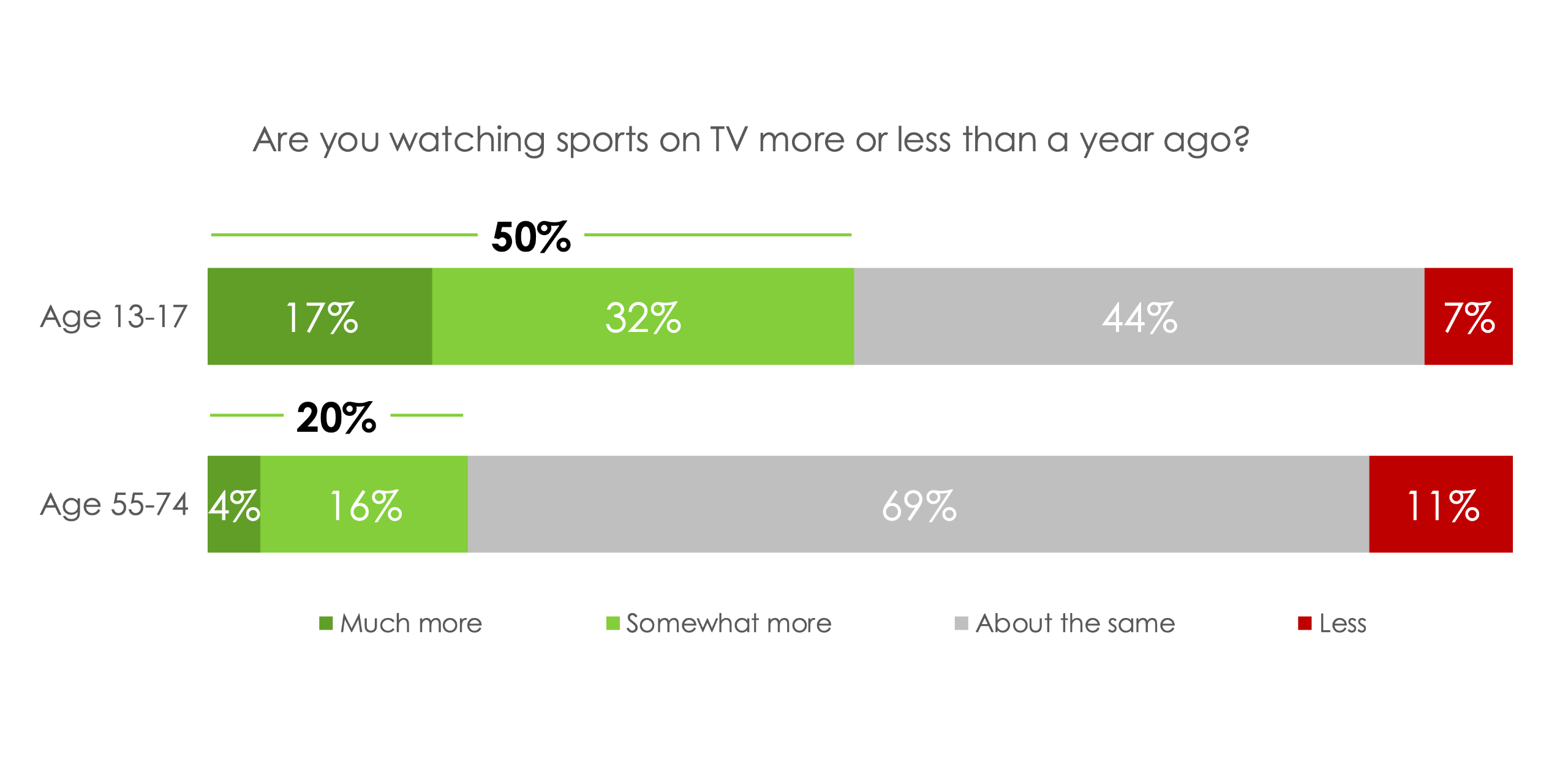
Many of these new formats are shorter, faster and built for a TikTok-trained attention span and how new fans watch sport. Younger audiences increasingly follow sport through social media and content creators, so some sports are being redesigned to fit this.

Golf goes primetime
TMRW Sports, the company Tiger Woods and Rory McIlroy set up behind the TGL team golf league, is reportedly finalising a funding round valuing it at more than $1bn, doubling its valuation in two years. TGL is a golf rebuild for television. Teams of PGA Tour players compete in purpose-built arenas using simulator technology so a match fits neatly into a primetime slot. The women's league launched on Sunday with ESPN and ABC in the US and Sky Sports in the UK. TMRW has also been chosen by the NFL to build a professional flag football league, ahead of the sport's Olympic debut in Los Angeles in 2028.
The growth in the tech
The global sports events market is worth an estimated $520.9bn this year and is forecast to grow at around 7.9% a year to $888.7bn by 2033. The real acceleration is in the technology underpinning it, forecast to grow at 15% a year to $68.7bn by 2030, roughly doubling, with stadium analytics and AI tools growing fastest.
Europe overtook North America in sports tech funding for the first time in 2025, taking 50% of the global total, with average deal sizes rising from $28.1m to $43.6 m. The events are the stage. The growth is in the simulators, data, production and fan experiences that formats like TGL depend on.
Where we're looking
Value is shifting from owning the sport to owning the format and the technology behind it. Here are some categories that we are particularly interested in in this area:
Simulation and venue technology:
Data scoring and officiating
Production and distribution
Creator and short-form tools
Fan experience and commerce
If you're building in any of these areas, we would love to hear from you.